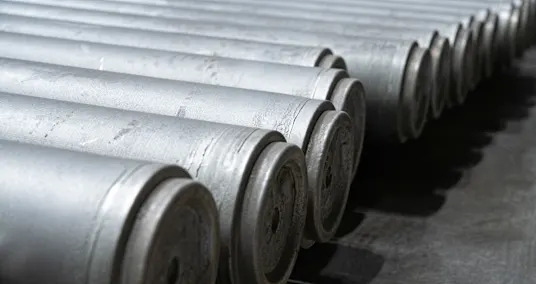
Fears of global aluminium shortages that could affect the production of clean energy technologies intensified after Iran struck two major Gulf aluminium producers, sending prices to a four-year high. The Middle East accounts for 9% of the world’s production of aluminum, which is essential to a wide range of industries from transportation, construction, and packaging, as well as the manufacture of solar panels, electrical transmission systems, wind turbines, and EVs.
Export shipments to the US and Europe had already come to a halt because of the effective closure of the Strait of Hormuz, and Morgan Stanley economists singled out aluminium as carrying a high level of risk across the value chain. Andy Farida, an aluminium analyst at Fastmarkets, told Semafor that high prices would be passed on to end-users, ultimately causing demand destruction. “A prolonged shutdown (with little to no alternative supplies other than Russia and China) could cripple the supply of aluminium to support the production of clean and green technology,” he said, adding that relief could come “if governments allow some sanctioned Russian and Chinese aluminium to be imported.”

LATEST POSTS
- 1
 15 skywatching events you won't want to miss in 2026
 - 2German diesel hits new records over Easter weekend
- 3Volkswagen Just Built a Plug-In Tiguan for China That America Doesn’t Get
- 4Five killed in Israeli air strikes on tents near Khan Younis, medics say
- 5Tehran defends ship seizure as a legal action, but tensions continue in the Gulf





- Volcanic eruption led to the Black Death, new research suggests
- Banks for High Fixed Store Rates: Augment Your Investment funds
- Seoul says sorry after unapproved drone flights into North Korea
- SpaceX launches Starlink satellites from California on 160th Falcon 9 flight of the year (video)
- The Reduced Portage Horse: An Inheritance Reconsidered for Present day Experience
- With more Moon missions on the horizon, avoiding crowding and collisions will be a growing challenge
- A 'Stranger Things' documentary covering the final season is on its way: Watch the trailer
- Lucrative Positions in the Advancing Position Market of 2024
- New movies to watch this weekend: See 'They Will Kill You' in theaters, rent 'Send Help,' stream 'Pretty Lethal' on Prime Video